- Arjun Gupta
- July 20th, 2019
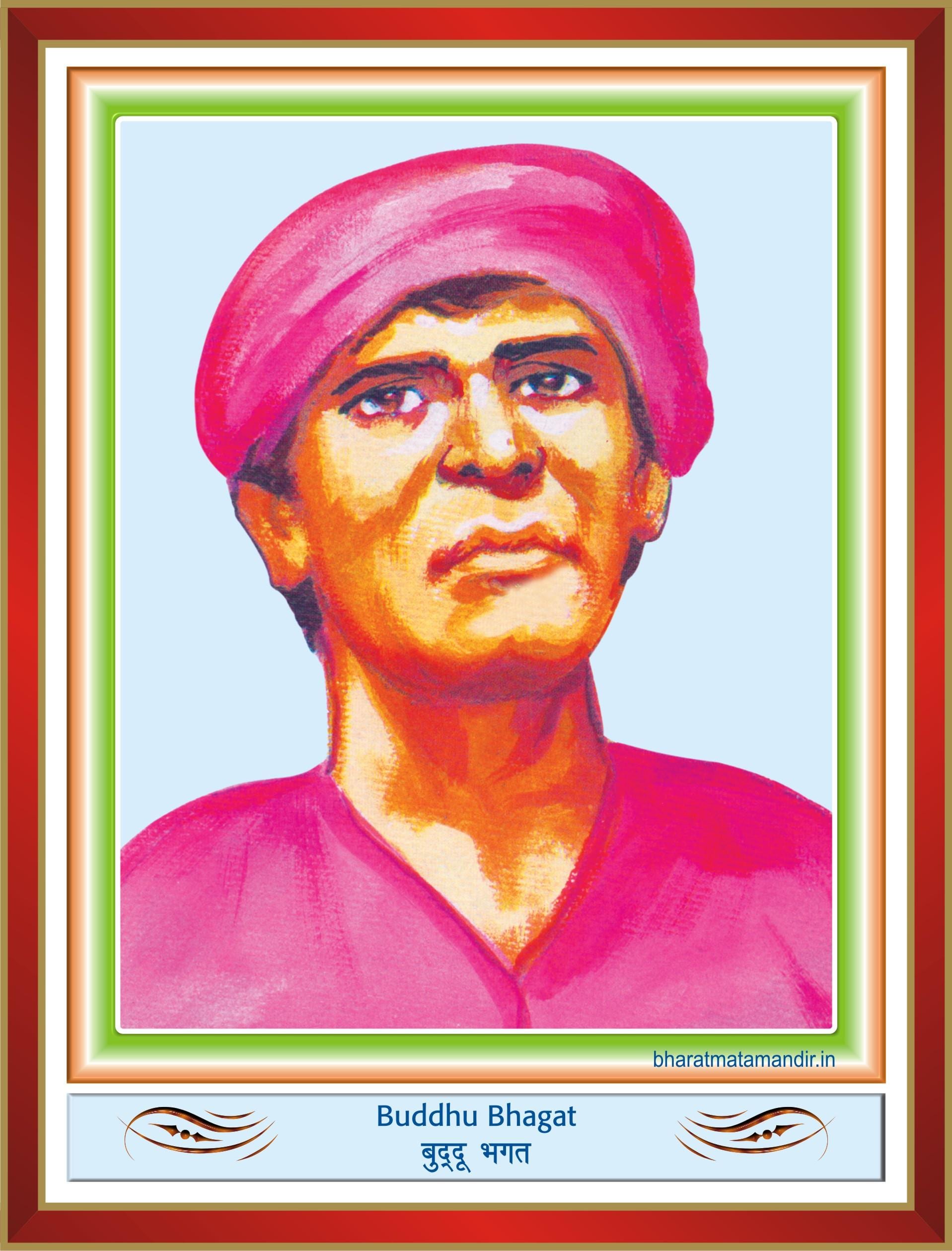
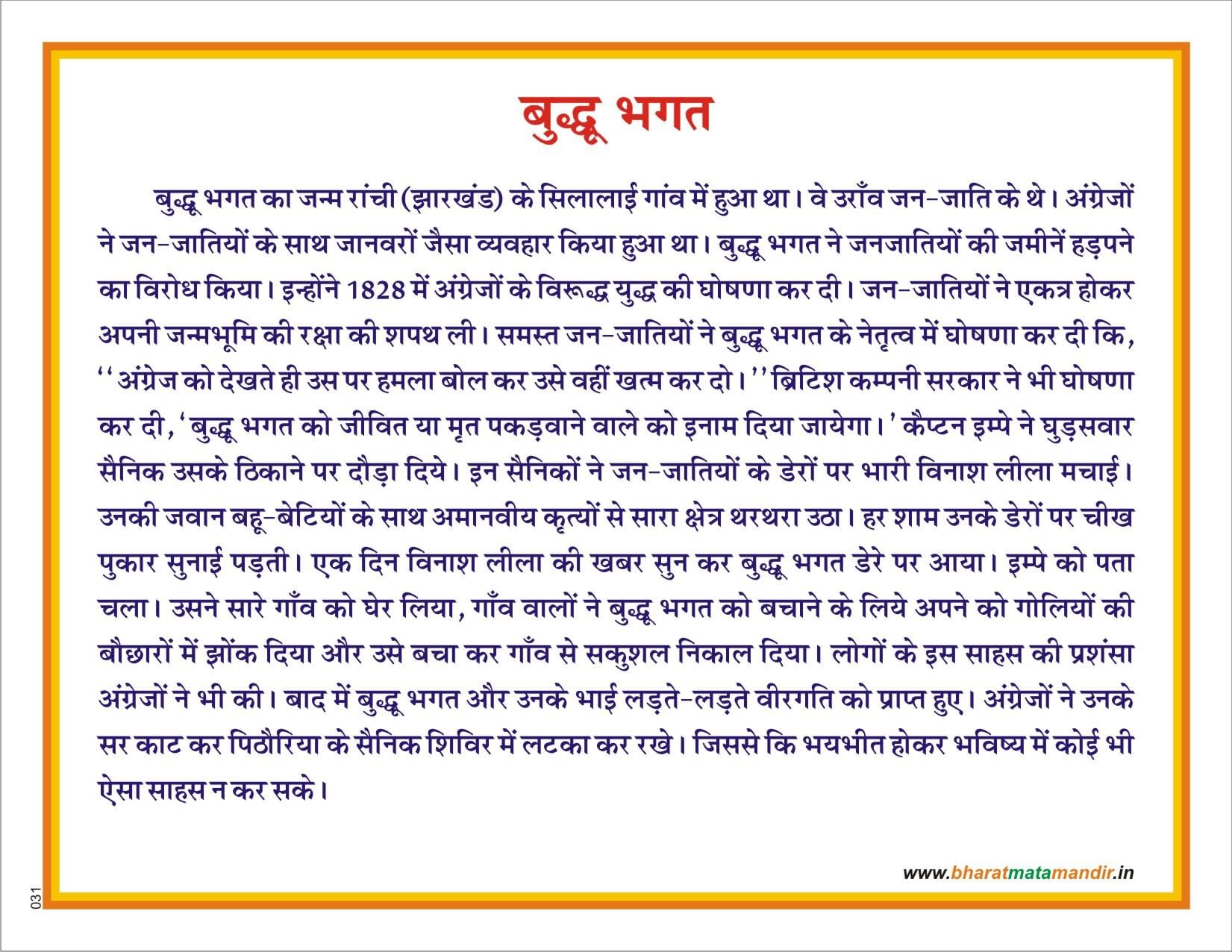
Budhu Bhagat was a courageous tribal leader and one of the earliest freedom fighters of India, who led a powerful uprising against British rule in the Chotanagpur region (present-day Jharkhand) during the early 19th century. He belonged to the Kol tribal community and emerged as a symbol of resistance against colonial exploitation and injustice.
Budhu Bhagat played a key role in the Kol Rebellion of 1831–32, which broke out due to severe oppression of tribal people by British officials, landlords, and moneylenders. The British policies disrupted traditional tribal systems, took away land rights, and imposed heavy taxes. Unable to tolerate this injustice, Budhu Bhagat united the Kol tribes and led an armed revolt to protect their land, dignity, and freedom.
Under his leadership, tribal warriors attacked British establishments and challenged colonial authority. His bravery and strategic leadership created serious difficulties for the British administration in the region. However, the British responded with brutal force. Budhu Bhagat was eventually surrounded by British troops and attained martyrdom in 1832 while fighting courageously against them.
Though his struggle took place decades before the Revolt of 1857, Budhu Bhagat’s sacrifice is considered one of the earliest organized tribal resistances against British rule. Today, he is remembered as a heroic martyr who stood fearlessly for tribal rights and freedom. His life continues to inspire movements for justice, equality, and respect for indigenous communities in India.