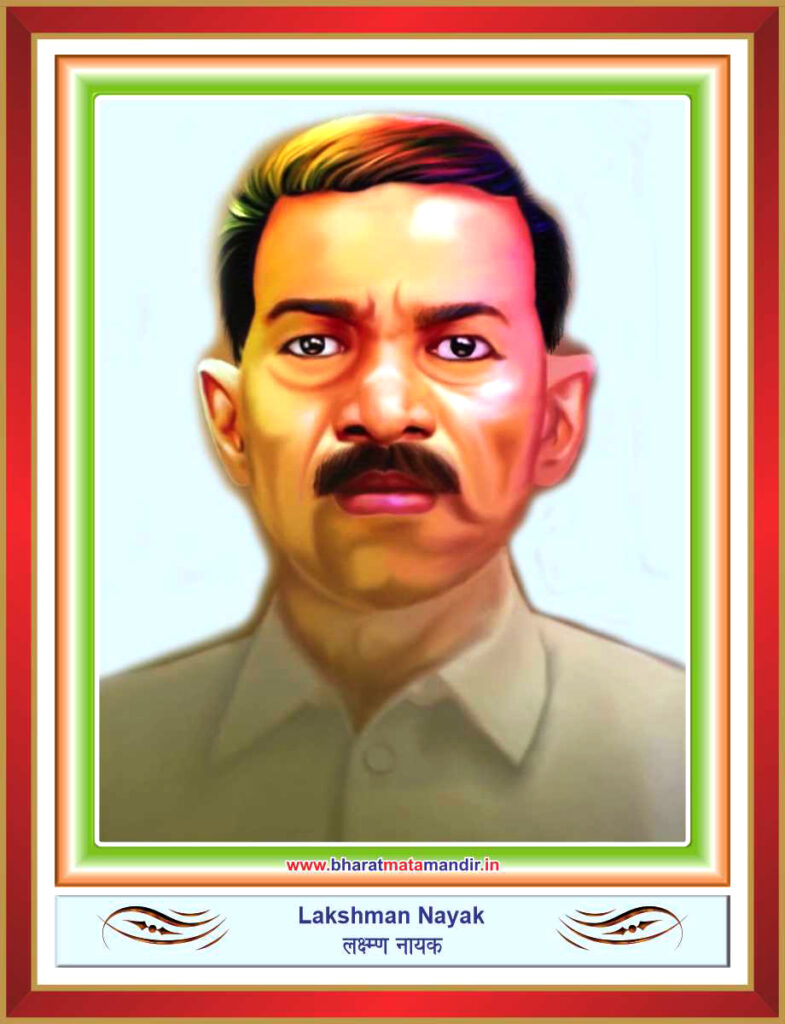
Lakshman Nayak was a brave tribal freedom fighter who played an important role in India’s struggle for independence, especially among the tribal communities of Odisha. He belonged to the Bhumia (Bhuiyan) tribal community and emerged as a symbol of courage, resistance, and sacrifice.
Lakshman Nayak was deeply inspired by Mahatma Gandhi and actively participated in the Quit India Movement of 1942. He worked to spread nationalist ideas among tribal people and mobilized them against British rule. His leadership helped awaken political consciousness in remote and marginalized regions, where British exploitation and oppression were severe.
During the Quit India Movement, Lakshman Nayak led peaceful protests and encouraged non-violent resistance. However, the British authorities falsely accused him of involvement in the killing of a forest guard. Despite lack of evidence and widespread protests demanding justice, he was arrested and subjected to an unfair trial.
Lakshman Nayak was sentenced to death by the British government. On 29 March 1943, he was hanged in Berhampur Jail. His execution deeply shocked the tribal population and strengthened resistance against colonial rule.
Lakshman Nayak is remembered as a martyr of the freedom struggle and a hero of tribal resistance. His sacrifice highlights the vital contribution of tribal communities in India’s independence movement. Today, he is honored in Odisha as a symbol of bravery, justice, and patriotism, and his life continues to inspire generations to stand against oppression and fight for freedom.