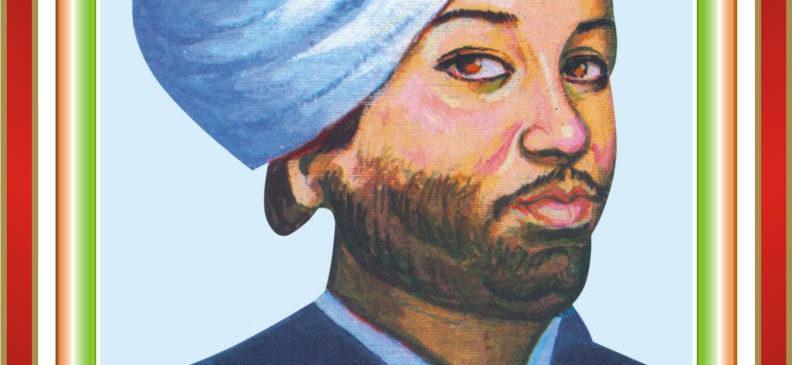
Yuvraj Tikendrajit Singh was a heroic prince, military leader, and one of the earliest martyrs of India’s resistance against British colonial expansion. He was born in 1856 in the royal family of Manipur and served as the Crown Prince (Yuvraj) of the princely state. Tikendrajit Singh is remembered for his bravery, strategic leadership, and unwavering defense of Manipur’s sovereignty.
Yuvraj Tikendrajit Singh played a central role in the Anglo-Manipur War of 1891, a significant but often overlooked chapter in India’s freedom struggle. When the British attempted to interfere in Manipur’s internal affairs and impose their authority, Tikendrajit Singh strongly opposed their actions. As a capable commander, he led Manipuri forces to defend the state’s independence and resist British aggression.
During the conflict, British officials were killed in Manipur, which led to a full-scale military invasion by the British. Despite facing a far superior force, Tikendrajit Singh and his compatriots fought courageously. Eventually, Manipur was defeated, and Tikendrajit Singh was captured by the British.
In a highly controversial and unjust trial, Yuvraj Tikendrajit Singh was sentenced to death. He was publicly hanged on 13 August 1891 at Kangla Fort, Imphal. His execution deeply shocked the people of Manipur and turned him into a symbol of resistance and sacrifice.
Yuvraj Tikendrajit Singh is remembered as a martyr and national hero of Manipur. His sacrifice represents one of the earliest armed resistances against British imperialism in India. Even today, he is honored for his courage, patriotism, and dedication to protecting the dignity and independence of his land.
