
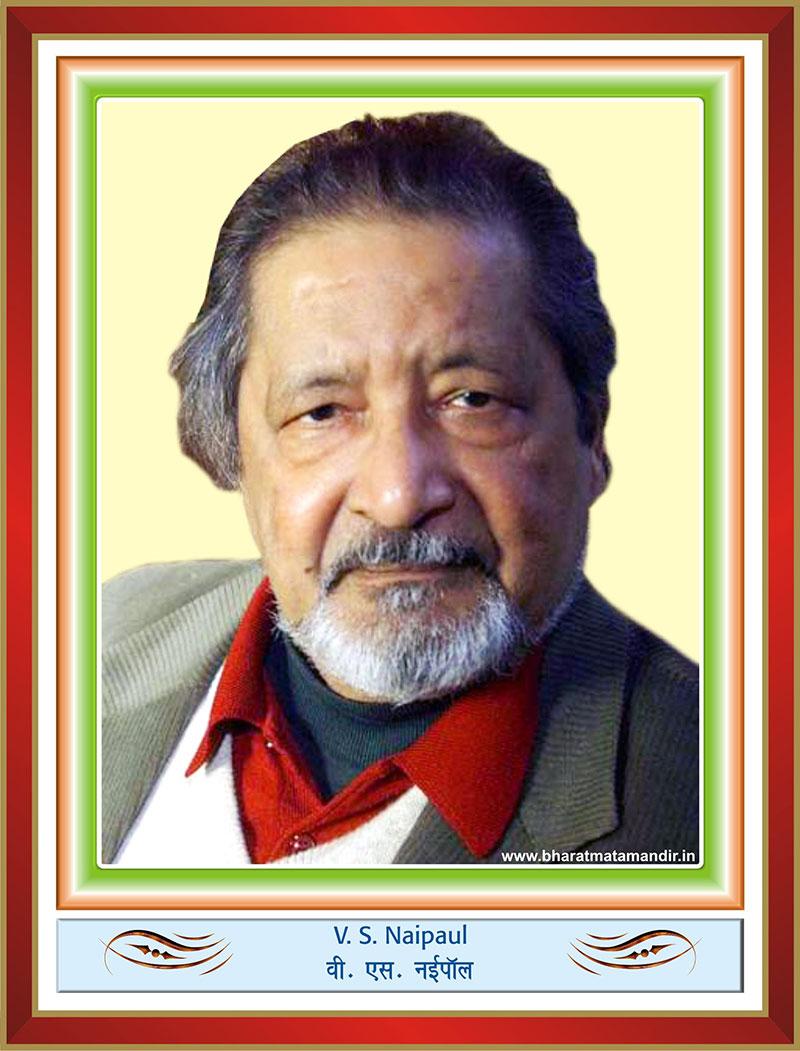
V. S. Naipaul (Sir Vidiadhar Surajprasad Naipaul) was a world-renowned writer, novelist, and essayist known for his sharp observations on history, identity, colonialism, and post-colonial societies. He was born on 17 August 1932 in Trinidad and Tobago to an Indian-origin family whose ancestors had migrated from India as indentured laborers.
Naipaul studied at Oxford University in England, where he developed his literary voice. His early novels, such as The Mystic Masseur and A House for Mr Biswas, brought him international recognition. A House for Mr Biswas is widely regarded as his masterpiece, portraying the struggles, aspirations, and identity crisis of an Indian-origin man in the Caribbean.
Naipaul’s writing is marked by clarity, precision, and an unsparing honesty. He wrote extensively about the legacy of colonialism and the complexities of newly independent nations across Africa, Asia, and the Caribbean. His notable non-fiction works include An Area of Darkness, India: A Wounded Civilization, and Among the Believers, based on his travels and reflections.
Though admired for his literary brilliance, Naipaul was also a controversial figure due to his critical views on politics, religion, and post-colonial societies. Nevertheless, his influence on modern English literature is immense.
In recognition of his outstanding contribution to literature, V. S. Naipaul was awarded the Nobel Prize in Literature in 2001. He was also knighted by the British Crown.
V. S. Naipaul passed away on 11 August 2018. He is remembered as one of the most powerful and original voices in English literature, whose works continue to provoke thought and debate across the world.