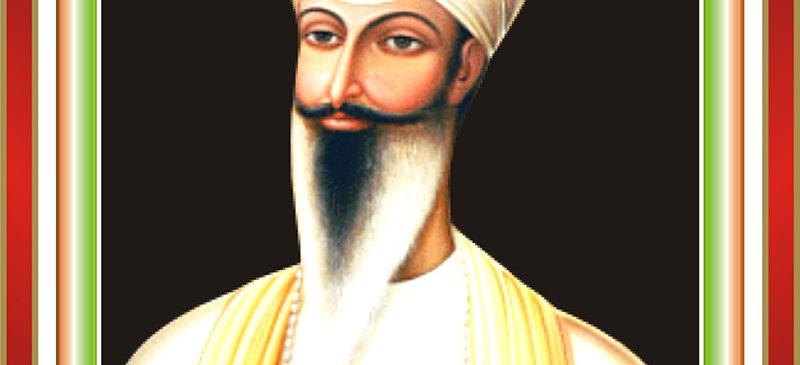
Satguru Ram Singh was a great Sikh religious reformer, social reformer, and freedom-era nationalist who founded the Namdhari (Kuka) Movement in the 19th century. He was born on 3 February 1816 in Bhaini Sahib (present-day Punjab). Satguru Ram Singh is remembered for combining spiritual reform with resistance to British rule through non-violent and disciplined means.
Satguru Ram Singh emphasized simple living, moral purity, self-discipline, and social equality. He opposed social evils such as caste discrimination, untouchability, female infanticide, and extravagance in rituals. Under his guidance, Namdharis adopted hand-spun clothes, vegetarianism, and a strict ethical code. He also encouraged the use of Swadeshi goods long before it became a mass movement.
Politically, Satguru Ram Singh opposed British authority and promoted self-rule through peaceful means. The Kuka Movement became a symbol of early resistance against colonial exploitation. However, clashes occurred in 1872, after which the British brutally suppressed the movement and executed many Kuka followers by cannon fire.
The British arrested Satguru Ram Singh and exiled him to Rangoon (Myanmar) in 1872 to weaken the movement. Even in exile, he continued to guide his followers spiritually. He passed away on 29 November 1885.
Satguru Ram Singh is remembered as a saint-reformer and early nationalist, whose teachings of non-violence, self-reliance, and moral courage inspired later freedom movements. His legacy lives on through the Namdhari community and India’s long tradition of spiritual resistance to injustice.
