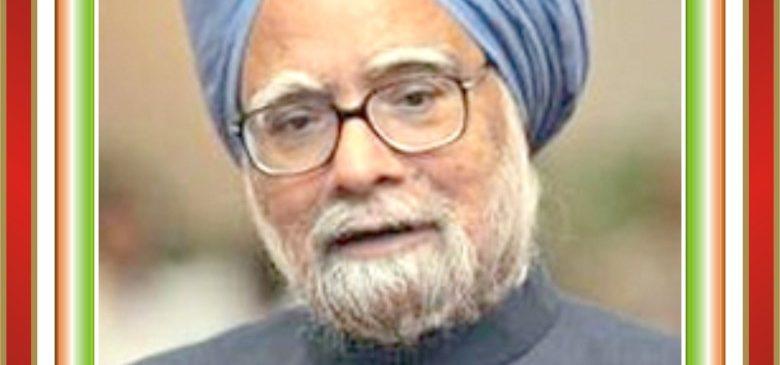
Manmohan Singh is a renowned Indian economist, statesman, and one of the most respected Prime Ministers in India’s history. He served as the 14th Prime Minister of India from 2004 to 2014, becoming the first Sikh to hold the office. He was born on 26 September 1932 in Gah (now in Pakistan).
Dr. Manmohan Singh is widely regarded as the architect of India’s economic liberalization. As Finance Minister in 1991, during a severe economic crisis, he introduced historic economic reforms that opened India’s economy to globalization, reduced government controls, and encouraged private and foreign investment. These reforms transformed India into one of the world’s fastest-growing economies.
As Prime Minister, Manmohan Singh led the country for two consecutive terms. His tenure saw significant achievements such as strong economic growth, expansion of social welfare schemes like MGNREGA and Right to Education, and the landmark Indo–US Civil Nuclear Agreement, which strengthened India’s global standing. He was known for his calm demeanor, integrity, and deep understanding of economics and governance.
Despite facing political challenges and criticism, Dr. Manmohan Singh maintained a reputation for personal honesty and humility. He believed in inclusive growth, democratic institutions, and cooperative federalism.
Dr. Manmohan Singh is remembered as a leader who combined intellectual brilliance with simplicity and moral integrity. His contribution to India’s economic transformation and democratic governance has left a lasting impact on the nation’s development and global image.