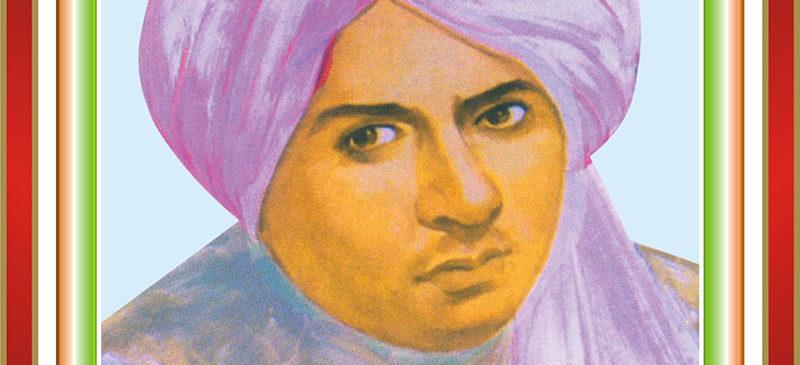
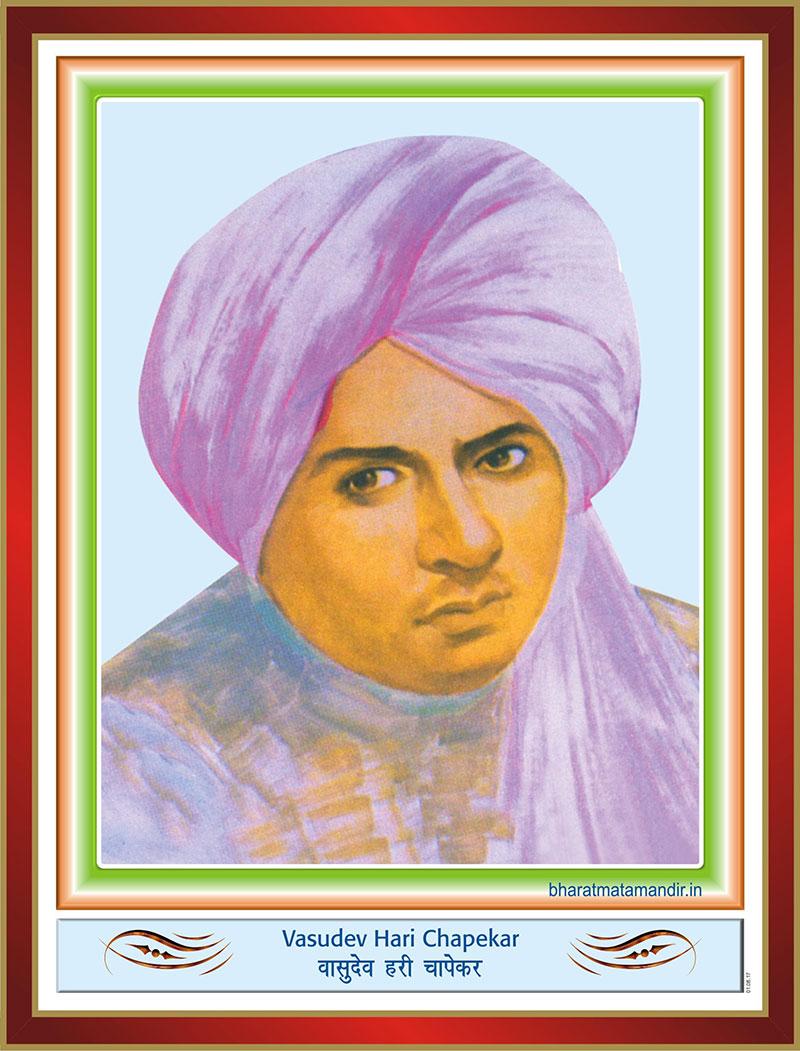
Vasudev Hari Chapekar was one of the famous Chapekar Brothers, early Indian revolutionaries who challenged British rule through armed resistance in the late 19th century. He was born in 1869 in Pune, Maharashtra, into a patriotic Brahmin family. Along with his brothers Damodar and Balkrishna Chapekar, Vasudev Hari Chapekar played a key role in inspiring revolutionary nationalism in India.
Vasudev Hari Chapekar was deeply influenced by nationalist ideas and opposed British oppression, racial discrimination, and the humiliation of Indians under colonial rule. The Chapekar brothers were particularly angered by the brutal handling of the 1896 plague in Pune, where British officer Rand used harsh and insulting methods against Indian citizens.
In protest, the Chapekar brothers decided to take revolutionary action. In 1897, Damodar Chapekar assassinated W. C. Rand, the British Plague Commissioner of Pune. Though Vasudev Hari Chapekar was not the shooter, he played an important role in planning, supporting, and sustaining the revolutionary movement.
After the assassination, the British launched a severe crackdown on revolutionaries. Vasudev Hari Chapekar was arrested for his involvement in revolutionary activities. He faced trial with courage and refused to renounce his nationalist beliefs.
Vasudev Hari Chapekar was executed by hanging in 1899. His sacrifice, along with that of his brothers, marked one of the earliest acts of revolutionary resistance in modern Indian history.
He is remembered as a pioneer of armed nationalism, whose courage and sacrifice inspired later revolutionaries like Vinayak Damodar Savarkar and Bhagat Singh, strengthening the spirit of resistance against British rule.