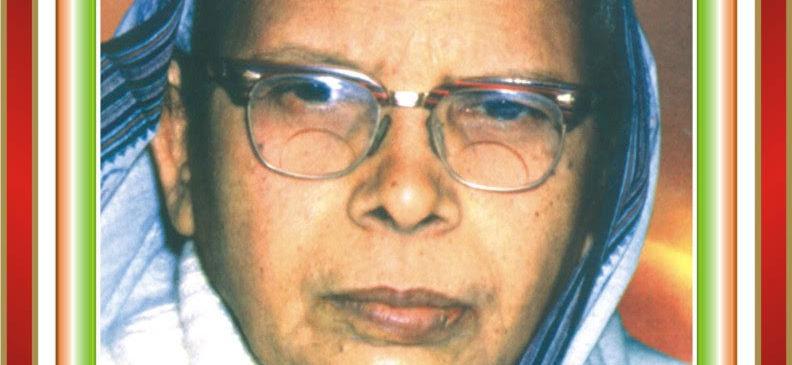
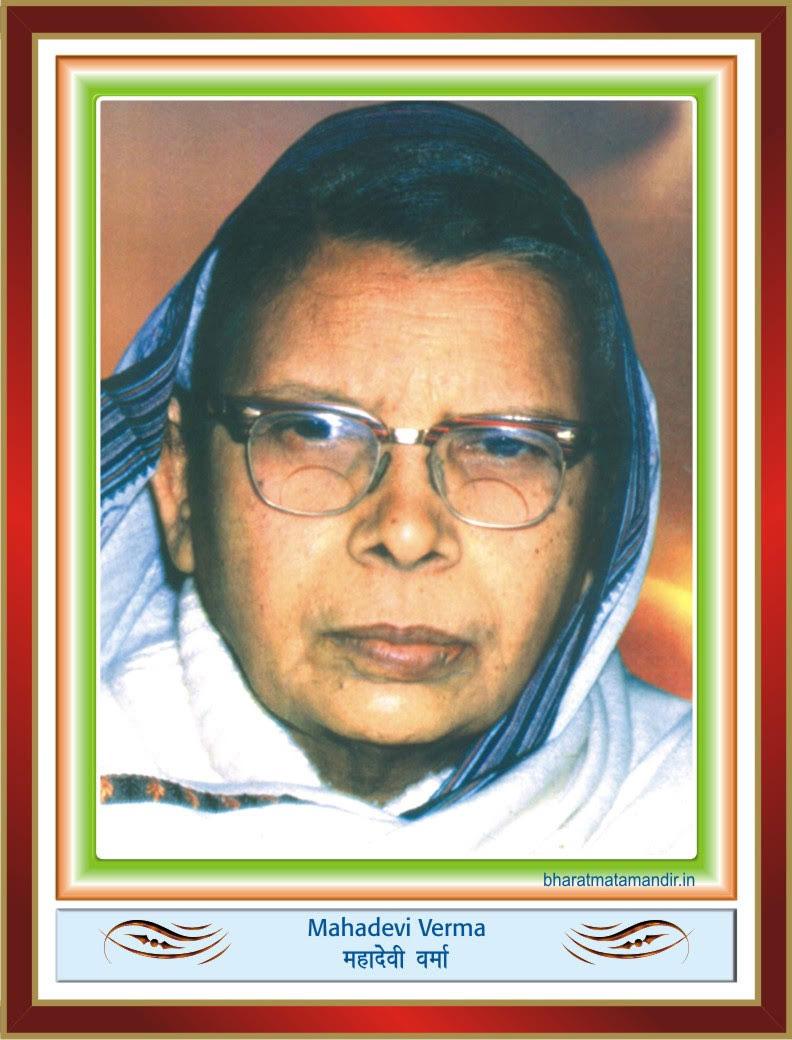
Mahadevi Verma was one of the greatest poets of modern Hindi literature and a leading pillar of the Chhayavad (Romanticism) movement. She was born on 26 March 1907 in Farrukhabad, Uttar Pradesh. Mahadevi Verma is remembered as a sensitive poet, social reformer, educationist, and a strong voice for women’s empowerment.
Mahadevi Verma’s poetry is known for its emotional depth, lyrical beauty, and spiritual intensity. Her writings express themes of pain, compassion, love, nature, and inner freedom. Famous poetry collections such as Nihar, Rashmi, Neerja, and Sandhyageet earned her a permanent place in Hindi literature. She is often called the “Meera of the modern age” because of the devotion and purity reflected in her poetry.
Apart from literature, Mahadevi Verma was deeply involved in social service and women’s education. She actively supported the Indian freedom movement through her writings and associations with nationalist leaders. She served as the principal of Prayag Mahila Vidyapeeth and worked tirelessly for the upliftment of women and the marginalized.
Mahadevi Verma also made significant contributions to prose literature, including essays and sketches like Shrinkhala ki Kariyan, which reflect her feminist and humanistic views. Her language was simple yet powerful, filled with empathy and moral strength.
She received many prestigious honors, including the Padma Bhushan, Padma Vibhushan, Jnanpith Award, and the Bharat Ratna (1988).
Mahadevi Verma passed away on 11 September 1987. She is remembered as a literary icon whose words continue to inspire sensitivity, compassion, and the pursuit of inner and social freedom.