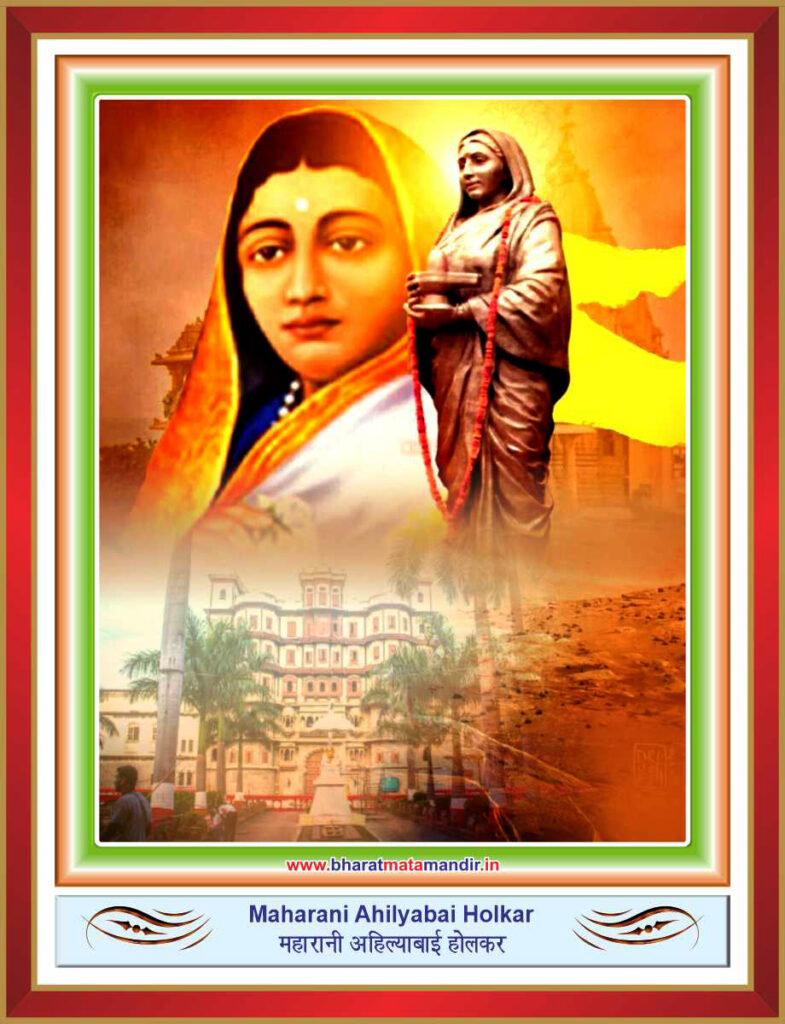
Ahilyabai Holkar: The Queen Who Ruled with Dharma
In an age of swords and thrones, Ahilyabai Holkar ruled with something far rarer—dharma. Born in 1725 in a small Maharashtrian village, her destiny was not forged in royal courts but shaped by wisdom, resilience, and compassion. Fate tested her early with loss: her husband, her father-in-law, and her son were taken by time. Yet from grief rose greatness.
Ascending the throne of Malwa in 1767, Ahilyabai ruled not as a conqueror, but as a guardian. She walked the path of justice with quiet strength, listening to the voices of farmers, traders, widows, and saints. Taxes were fair, officials were accountable, and the poorest were protected. Under her care, prosperity flowed like the Narmada beside her capital.
Her legacy stretched far beyond her kingdom. Across India—from Kashi and Somnath to Rameswaram—temples rose again under her patronage, not as symbols of power, but as beacons of cultural renewal. Wells, ghats, roads, and dharamshalas followed, serving travelers of every caste and region.
Ahilyabai was no warrior queen by ambition, yet she defended her land fiercely, preserving sovereignty in a turbulent era. At a time when women were expected to remain silent, she governed with authority and grace, proving leadership knows no gender.
Though she lived before colonial rule tightened its grip, Ahilyabai Holkar embodied the spirit of freedom—self-rule rooted in justice. She did not fight for independence with weapons, but with wisdom. And in doing so, she became timeless.